Introduction
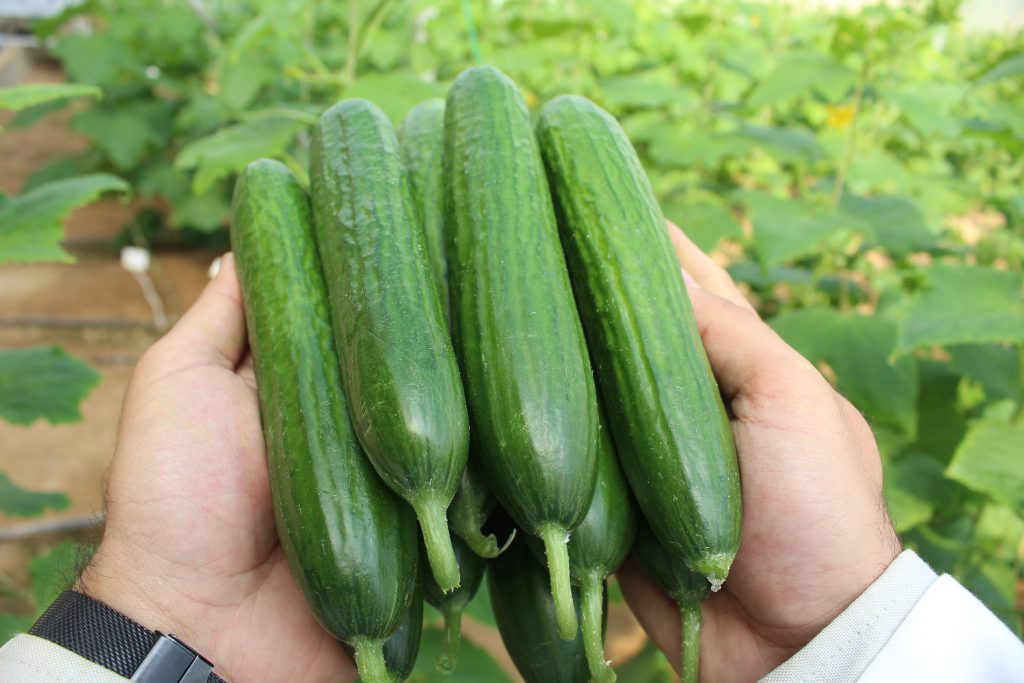
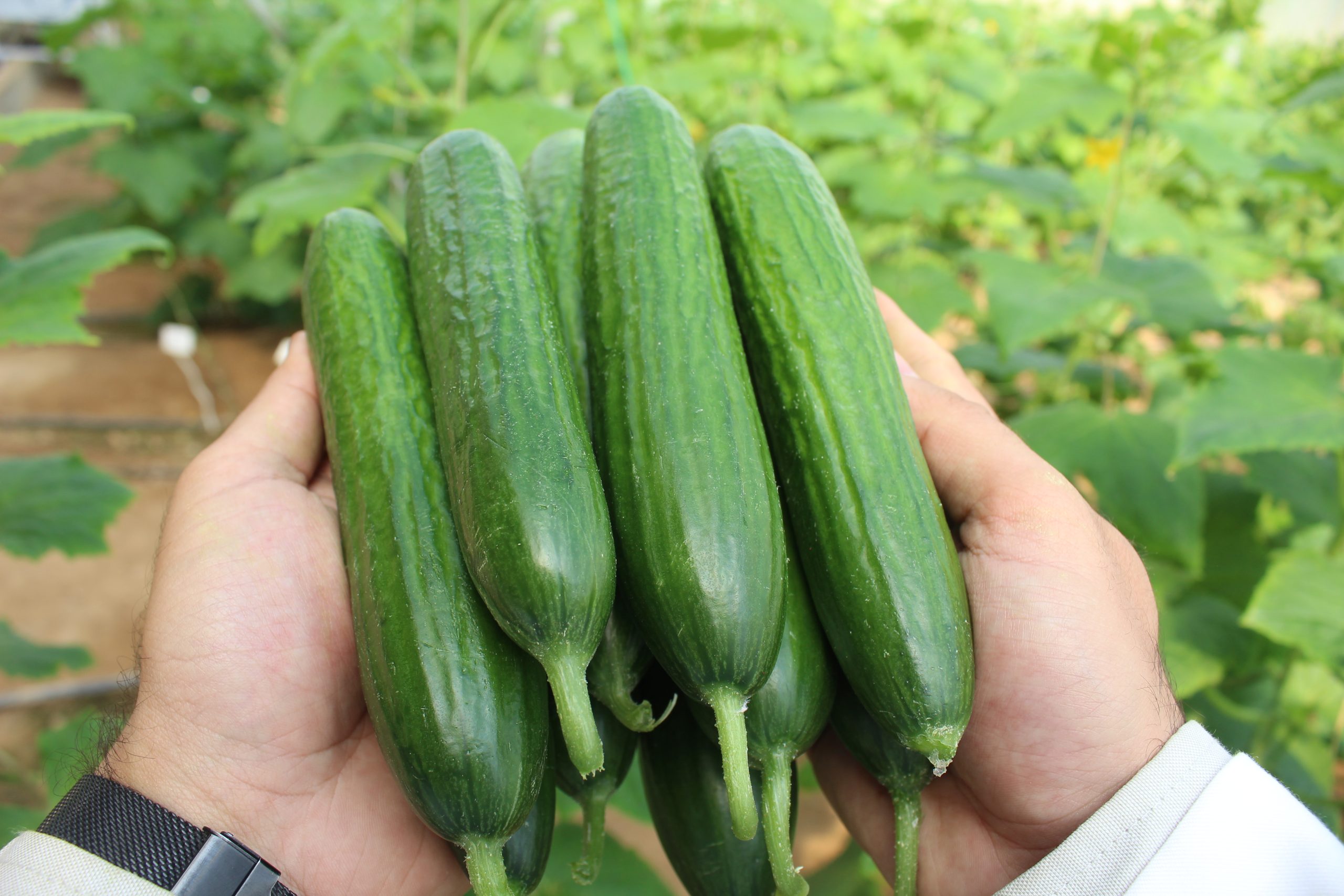
Cucumber (Cucumis sativus L.) is an annual plant in the Cucurbitaceae family, which has 90 genera and 750 species. Iran, with an under-cultivation area of 89,632 hectares and a production rate of 1,804,184 tons of cucumbers, yield of 201,289 tons per hectare, and it is the third largest cucumber producing country in the world in terms of production. Use of fruits of these vegetable is different depending on the country and the consumer’s taste and demand, and it is cultivated for fresh consumption as well as processing (pickled vegetables or cucumbers). The utilization of local genotypes or unmodified native reserves for production has led to very low yield of cucumbers in some countries of the world. The general objectives of cucumber breeding are resistance to diseases and pests, fruit quality and yield increase. Considering the history of cultivation of this product in Iran and due to the large under-cultivation areas of cucumber in the country, little breeding research has been done on this product and the country’s required seeds are supplied annually through imports. Therefore, practical and applied research on the breeding of cucumber plant seems necessary. The present study was conducted to evaluate 27 cucumber plant lines using factor analysis and cluster analysis as a tool to identify superior genotypes and more effective traits.
Please download from the link below to view this article in full:
arvanseed_document1